Single-Incision Robotic Surgery

At MIGYNAE, single-incision robotic surgery supports selected minimally invasive gynaecological

At MIGYNAE, single-incision robotic surgery is incorporated into selected gynaecological procedures where a minimally invasive approach is clinically appropriate. The use of this technique forms part of an individualised surgical plan, developed following careful assessment and discussion of available treatment options.

What is single-incision robotic surgery?

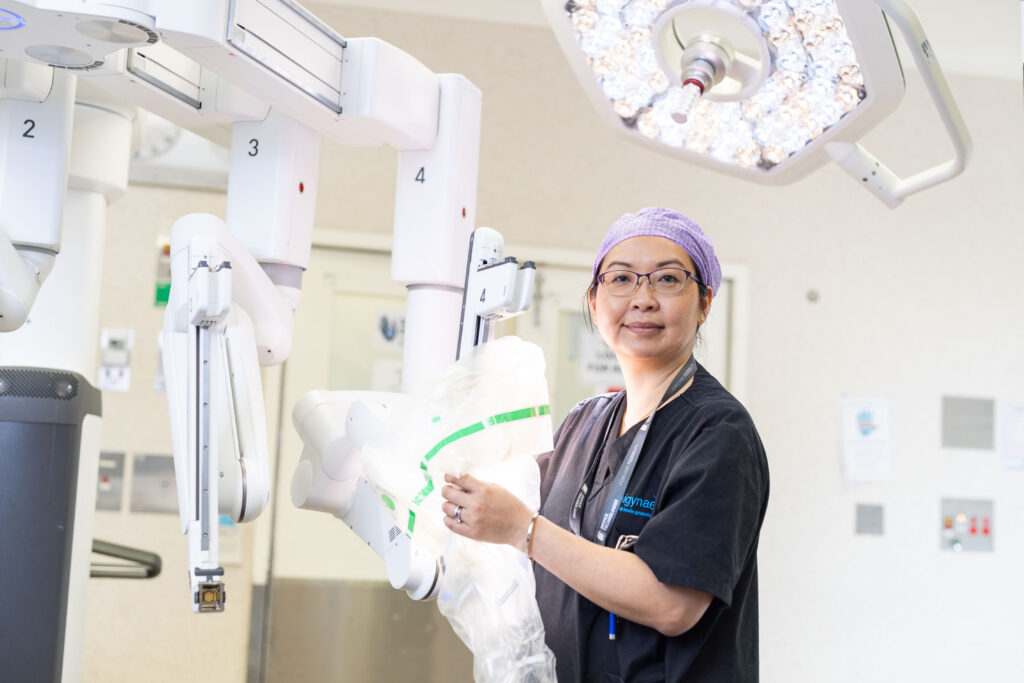
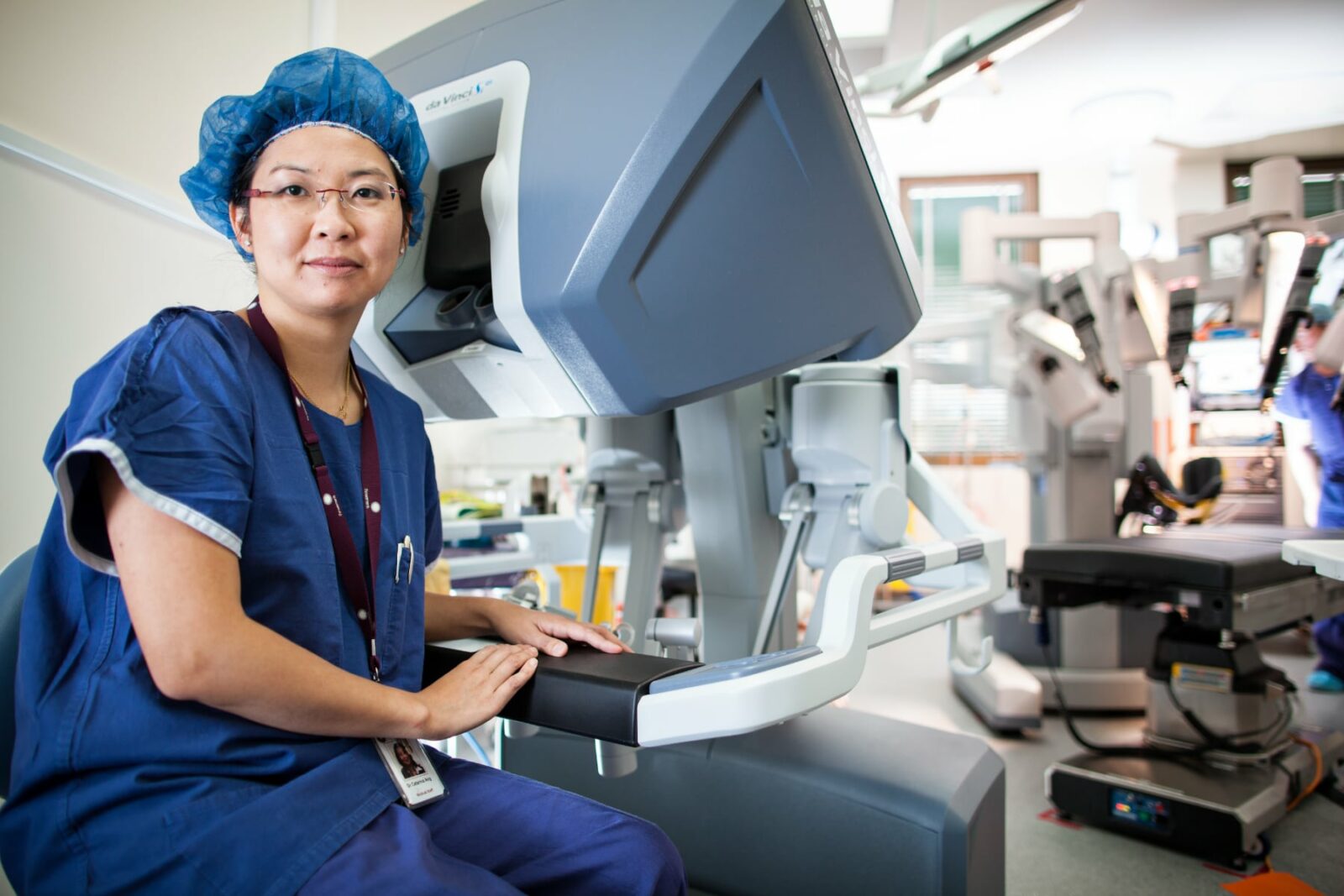
Single-incision robotic surgery is a form of minimally invasive surgery used in selected gynaecological procedures where clinically appropriate. The technique involves performing surgery through a single small incision, usually at the umbilicus, using a robotic surgical system to assist with instrument control and visualisation.

This approach may be considered for certain patients depending on the condition being treated, the complexity of the surgery, and individual clinical factors.
Conditions Treated with single-incision robotic surgery

  • Overview: Endometriosis occurs when tissue similar to the lining of the uterus grows outside the uterus, which can cause pelvic pain, menstrual irregularities, and, in some cases, affect fertility. Diagnosis and treatment often require a surgical assessment.
  • Robotic Treatment:

    In selected cases, robotic surgery can be used to assist with the removal or excision of endometriotic lesions. The enhanced visualisation and instrument control offered by robotic systems can support minimally invasive access to complex areas in the pelvis.

  • Overview: Ovarian cysts are fluid-filled sacs on the ovaries that may require surgical evaluation if persistent, large, or symptomatic. Adnexal masses can include cysts or other growths in the ovary or surrounding structures.
  • Robotic Treatment: Robotic surgery can be used in selected cases for the removal of ovarian cysts or adnexal masses through a minimally invasive approach, allowing careful dissection while preserving surrounding healthy tissue where appropriate.
  • Overview: Fibroids are non-cancerous growths in the muscular wall of the uterus that can cause heavy periods, pelvic discomfort, or reproductive challenges in some women.

    Robotic Surgery: Robotic-assisted surgery may be used for selected fibroid removal procedures, allowing precise excision through small incisions. This approach can be suitable for preserving uterine tissue where clinically indicated.

  • Overview: Abnormal uterine bleeding refers to irregular, heavy, or prolonged menstrual bleeding. Where medical management is insufficient, surgical evaluation may be required.
  • Robotic Treatment: Robotic-assisted sacrocolpopexy is used to repair pelvic organ prolapse. The precision of the robotic system ensures accurate placement of surgical mesh, providing effective and long-lasting support to pelvic organs.
  • Overview: Certain non-cancerous conditions, such as fibroids, adenomyosis, or persistent bleeding, may necessitate a hysterectomy in selected patients.
  • Robotic Treatment: Robotic-assisted hysterectomy may be used where appropriate, supporting minimally invasive removal with enhanced instrument control and visualisation.
  • Overview: Pelvic adhesions are bands of scar tissue that can develop after surgery, infection, or endometriosis, potentially causing pain or fertility challenges.
  • Robotic Treatment: Robotic surgery can be used in selected cases to carefully dissect adhesions and restore anatomy while maintaining minimally invasive access.
  • Overview: Chronic pelvic pain may have multiple causes, including endometriosis, adhesions, or ovarian pathology. Surgical investigation can help determine the underlying cause.
  • Robotic Treatment: For selected patients, robotic-assisted laparoscopy allows a minimally invasive approach for both diagnosis and treatment, providing enhanced dexterity and visualisation in complex pelvic anatomy.

Single-incision robotic surgery and fertility investigation

In selected cases, single-incision robotic surgery may be used as part of the investigation or surgical management of gynaecological conditions that can affect fertility. This may include the assessment and treatment of conditions such as endometriosis or pelvic adhesions, where a minimally invasive surgical approach is considered appropriate.

Surgical treatment is one aspect of fertility care, and its role varies depending on individual circumstances and clinical findings.

Contact Us

To learn more about single-incision robotic surgery or to schedule a consultation, please contact us.
Get in touch with our friendly team.

We are a general gynaecology and infertility treatment clinic based in Melbourne, dedicated to the latest minimally invasive gynaecological diagnostic and surgical techniques. We are leaders in laparoscopic and cutting-edge robotic surgery.

If you have a question about a condition or treatment, or would like to book an appointment, please get in touch.